
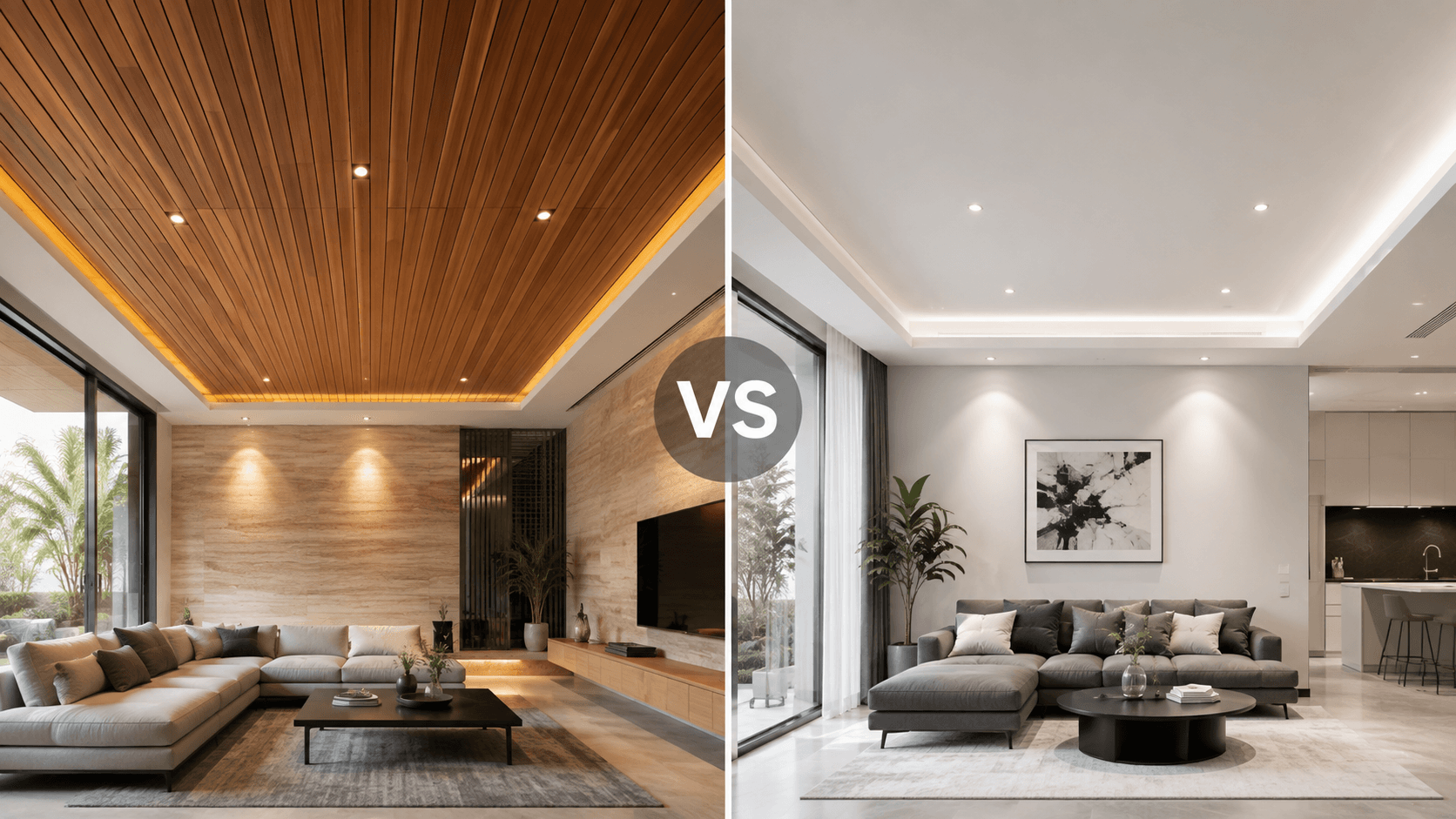
Choosing the right ceiling finish can significantly influence the appearance, comfort, durability, and long-term maintenance of a space. Modern interiors now offer far more options than conventional plaster or painted surfaces, making it important to compare materials before making a decision. Whether you are renovating a home, designing a commercial space, or planning a hospitality project, understanding the strengths and limitations of an interior wood cladding ceiling helps you select a finish that suits both aesthetic preferences and practical requirements. This guide compares traditional ceiling finishes with modern timber-inspired alternatives to help you make an informed decision.
Quick Answer
An interior wood-clad ceiling offers warmth, texture, and architectural appeal, while traditional finishes remain a practical choice for simple, cost-effective projects. The better option depends on design goals, maintenance expectations, moisture exposure, durability requirements, and the function of the space.
What Is the Difference Between Modern Ceiling Cladding and Traditional Finishes?
Traditional ceilings are commonly finished using plaster, gypsum board, cement, or paint. These solutions provide a clean appearance and suit many residential and commercial environments.
Modern ceiling cladding introduces decorative panels or boards that add texture, depth, and visual character while concealing structural elements above.
The primary differences include:
- Overall appearance
- Installation method
- Material durability
- Maintenance requirements
- Moisture resistance
- Acoustic performance
- Long-term design flexibility
Rather than focusing only on appearance, homeowners should compare performance across all these factors.
Why Are Wood-Look Ceilings Becoming More Popular?
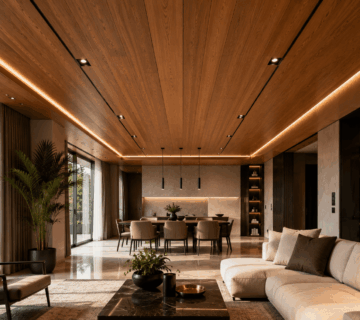
Natural-looking ceiling finishes create warmth and architectural interest without overwhelming a room. They complement contemporary, Scandinavian, rustic, hospitality, and commercial interior styles while introducing texture that painted ceilings often lack.
Other reasons for their growing popularity include:
- Enhanced visual appeal.
- Greater design flexibility.
- Wide range of colours and finishes.
- Ability to conceal uneven surfaces.
- Improved perception of space when designed appropriately.
Many designers also appreciate the ability to coordinate ceiling finishes with walls, furniture, flooring, and lighting to create a more cohesive interior.
How Does Composite Ceiling Cladding Compare?
Composite ceiling cladding has become a popular alternative because it combines decorative appeal with improved durability and lower maintenance compared with some traditional natural materials.
Key advantages may include:
- Better resistance to moisture
- Reduced maintenance
- Consistent surface finish
- Long service life
- Suitable for modern residential and commercial interiors
However, material selection should always reflect the intended application rather than following trends alone. Product quality, installation methods, and environmental conditions all influence long-term performance.
Interior Wood Cladding Ceiling: Which Factors Should You Compare?
Comparing finishes across multiple criteria provides a clearer picture than focusing only on appearance.
| Feature | Traditional Finish | Modern Cladding Finish |
|---|---|---|
| Appearance | Simple and uniform | Warm, textured, and decorative |
| Design flexibility | Moderate | High |
| Maintenance | Periodic repainting may be required | Generally lower depending on material |
| Installation | Conventional finishing methods | Panel-based installation |
| Moisture performance | Material dependent | Varies by product selection |
| Durability | Depends on finish type | Often designed for long-term performance |
A suitable choice depends on project priorities, maintenance expectations, and environmental conditions rather than one feature alone.
Which Spaces Benefit the Most?
Decorative ceiling finishes work well across many applications, including:
- Living rooms
- Dining areas
- Bedrooms
- Offices
- Hotels
- Restaurants
- Retail spaces
- Reception areas
Each space has different lighting, humidity, acoustic, and maintenance requirements, so the selected finish should match the environment.
For example, hospitality projects often prioritize visual impact, while office environments may place greater emphasis on durability and maintenance efficiency.
Continue Exploring Ceiling Design Ideas
Selecting the right finish becomes easier when you understand how different materials perform in real spaces. Find out how to choose the right ceiling finish to compare styles, durability, maintenance needs, and design considerations before making your final decision.
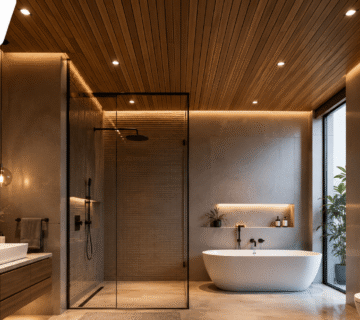
Is Bathroom Ceiling Cladding a Practical Option?
In areas exposed to humidity, bathroom ceiling cladding should be selected with moisture resistance, ventilation, and long-term durability in mind.
Important considerations include:
- Moisture exposure
- Ventilation quality
- Ease of cleaning
- Resistance to mould and mildew
- Installation quality
- Manufacturer recommendations
Even moisture-resistant products perform better when the room has adequate ventilation and regular maintenance.
What Should You Consider Before Choosing?
Before selecting a ceiling finish, evaluate both design and practical performance.
Ask yourself:
- What style suits the overall interior?
- How much maintenance is acceptable?
- Will the space experience high humidity?
- What is the available budget?
- Does the material suit residential or commercial use?
- Are acoustic improvements required?
- What is the expected lifespan?
Considering these questions early can reduce the likelihood of expensive changes later.
Best Practices for Selecting a Ceiling Finish
To achieve long-lasting results:
- Define the purpose of the room.
- Compare different material options.
- Consider lighting and room proportions.
- Verify moisture suitability where applicable.
- Select experienced installation professionals.
- Follow manufacturer maintenance guidance.
- Balance appearance with long-term performance.
A thoughtful decision should combine aesthetics, durability, maintenance, and functionality rather than prioritizing only one factor.
Key Takeaways
- Ceiling finishes influence both appearance and long-term performance.
- Traditional finishes remain suitable for many applications.
- Decorative panel systems provide greater design flexibility.
- Material selection should reflect environmental conditions.
- Moisture-prone spaces require products designed for higher humidity.
- Professional installation contributes to long-term durability.
- Maintenance expectations should be considered before purchase.
Frequently Asked Questions
Which ceiling finish is easier to maintain?
Decorative panel systems generally require less routine maintenance than painted surfaces, depending on the product.
Is ceiling cladding suitable for commercial spaces?
Yes, many modern panel systems are widely used in offices, hotels, retail outlets, and hospitality projects.
Can decorative ceiling panels be installed during renovations?
Yes, many products can be incorporated into renovation projects with proper planning and installation.
Does moisture affect ceiling material selection?
Yes, humidity levels should always influence material selection, particularly in wet areas.
Should appearance be the only deciding factor?
No, durability, maintenance, installation quality, moisture resistance, and functionality are equally important.
Conclusion
The right ceiling solution depends on the balance between aesthetics, durability, maintenance, environmental conditions, and long-term value. While every project has different priorities, carefully comparing materials before installation helps ensure better performance over time. When evaluating interior wood ceiling cladding, consider how the finish aligns with your design vision, maintenance expectations, and the functional requirements of the space.

No comment