
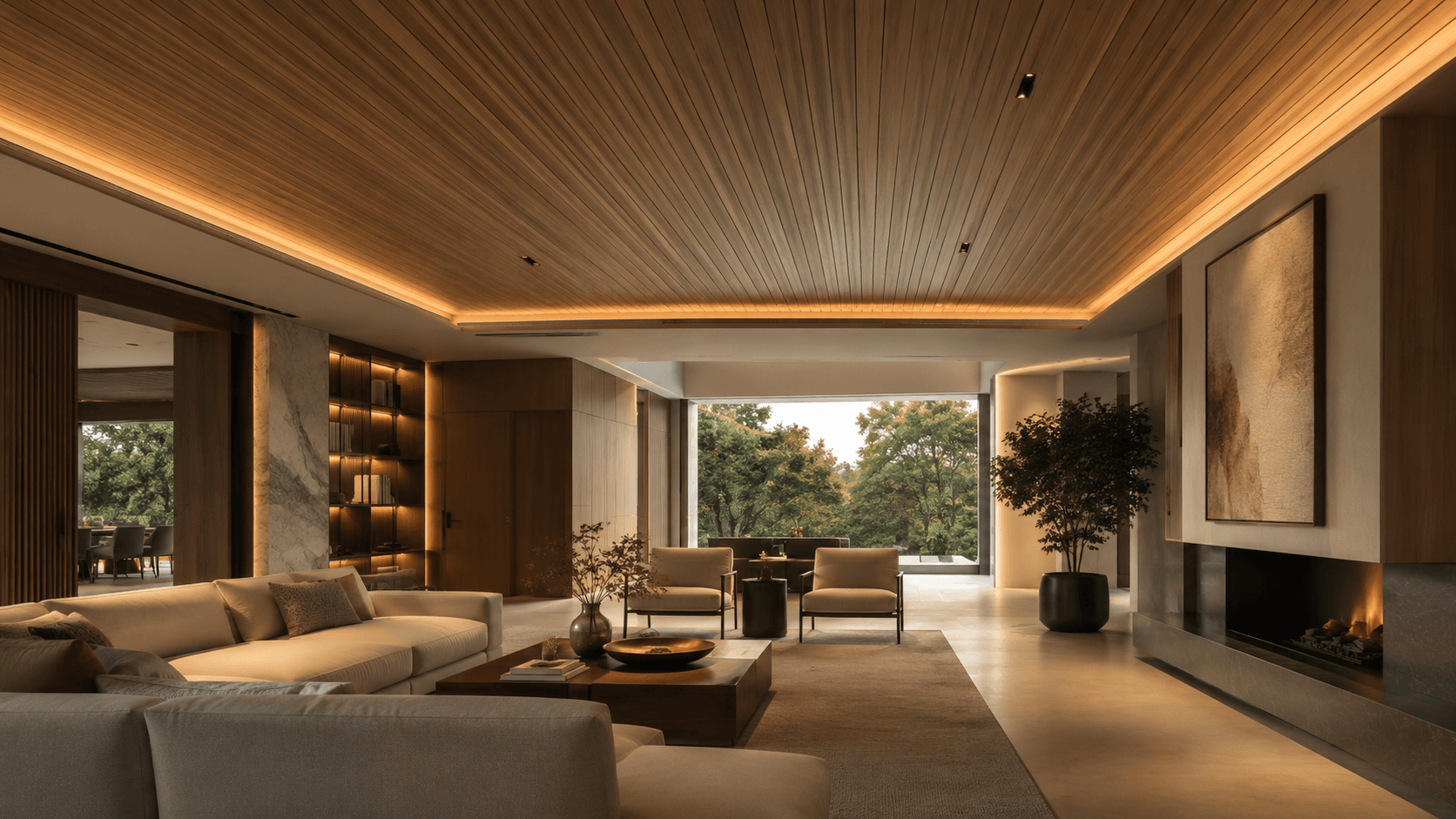
Creating a refined interior is about more than selecting elegant furniture or premium flooring. Modern spaces are increasingly defined by how ceilings contribute to the overall atmosphere. Thoughtfully designed ceilings can introduce texture, warmth, and architectural depth while improving acoustic comfort and visual appeal. One emerging trend in contemporary interiors is the use of interior wood cladding ceiling solutions that combine functionality with timeless sophistication.
Transforming Interiors with Layered Ceiling Designs
Ceiling cladding has evolved far beyond traditional flat surfaces. Designers now use layered patterns, geometric arrangements, and natural finishes to create visual interest overhead. These styles work particularly well in residential lounges, hospitality venues, executive offices, and luxury retail environments.
Popular ceiling design concepts include:
- Linear slat arrangements for a clean and modern appearance
- Coffered ceilings that add depth and symmetry
- Curved ceiling panels for softer architectural transitions
- Matte timber finishes that create a calm and natural environment
- Dark-toned ceilings that introduce dramatic contrast
The choice of ceiling texture and tone can significantly influence how spacious or intimate a room feels. Lighter finishes often make interiors appear larger, while deeper shades contribute to a more luxurious atmosphere.
Why Modern Materials Are Shaping Ceiling Innovation
Contemporary architecture increasingly favours durable and low-maintenance materials. This has led to the growing popularity of composite ceiling cladding in both residential and commercial projects. These materials combine aesthetic appeal with enhanced resistance to moisture, fading, and environmental wear.
The following table highlights how various ceiling cladding materials compare:
| Material Type | Visual Appeal | Maintenance Level | Moisture Resistance | Suitable Spaces |
| Natural Timber | Warm and classic | Moderate | Medium | Living rooms, offices |
| Gypsum Panels | Minimal and smooth | Low | Medium | Commercial interiors |
| Metal Panels | Industrial and modern | Low | High | Retail and hospitality |
| Composite Cladding | Contemporary and versatile | Very Low | High | Indoor and semi-outdoor areas |
This shift toward engineered materials reflects the increasing demand for long-lasting finishes that retain their appearance with minimal upkeep.
Creating Visual Depth with Texture and Lighting
Ceiling cladding becomes even more effective when paired with strategic lighting. Integrated lighting can highlight textures, create mood, and enhance architectural detailing without overwhelming the space.
Designers often combine cladding with:
- Recessed LED strips
- Pendant lighting clusters
- Spotlights for directional focus
- Indirect cove lighting
- Acoustic lighting panels
Textured ceilings respond beautifully to layered illumination because shadows and highlights reveal surface depth. This technique is especially useful in open-plan spaces where ceilings help define zones without physical dividers.
Balancing Sustainability with Elegant Design
Sustainable design continues to influence material selection across the construction and interior sectors. Many architects now favour composite wood cladding because it delivers the appearance of timber while reducing the maintenance demands associated with natural wood.
Its appeal extends beyond sustainability alone. It also supports design consistency across different applications, including ceilings, walls, and feature panels. This creates a seamless visual flow throughout contemporary interiors.
Benefits of using modern cladding materials include:
- Reduced long-term maintenance requirements
- Greater resistance to humidity and temperature fluctuations
- Consistent colour and texture retention
- Improved durability in high-traffic environments
- Enhanced design flexibility
These advantages make engineered cladding particularly suitable for commercial environments where aesthetics and practicality must work together.
Ceiling Cladding Trends Defining Sophisticated Spaces
Interior trends continue to evolve toward understated luxury and functional beauty. Ceiling cladding is becoming a central design element rather than an afterthought. Modern projects increasingly incorporate ceiling features that complement flooring, wall finishes, and furniture palettes.
Current trends include:
- Minimalist linear ceiling systems
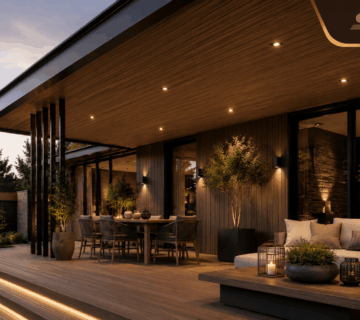
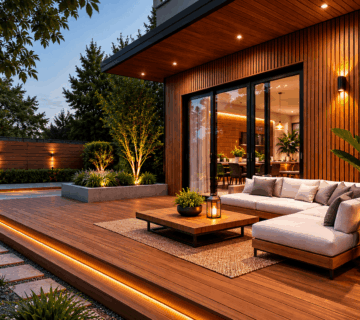
- Seamless indoor-outdoor visual continuity
- Soft natural colour palettes
- Mixed-material finishes combining timber and metal
- Acoustic-friendly ceiling applications
FAQs
What is ceiling cladding used for?
Ceiling cladding enhances visual appeal while also improving acoustic performance and creating architectural depth within interior spaces.
Are composite ceiling materials durable?
Yes. Modern engineered cladding products are designed to resist moisture, fading, and everyday wear, making them suitable for long-term use.
Can ceiling cladding work in commercial spaces?
Absolutely. Offices, restaurants, hotels, and retail stores commonly use ceiling cladding to create premium interior environments.
Does ceiling cladding require extensive maintenance?
Most contemporary cladding materials require minimal maintenance compared to traditional timber finishes.
Which ceiling styles are currently popular?
Linear slat ceilings, textured finishes, concealed lighting integration, and natural-inspired tones are among the leading design trends.
Conclusion
Ceiling design now plays a defining role in shaping sophisticated interiors. From layered textures to integrated lighting solutions, innovative ceiling cladding offers endless possibilities for creating visually refined spaces. As modern architecture continues to prioritise durability, sustainability, and aesthetics, materials like composite timber cladding are becoming increasingly relevant in contemporary interiors. Satechwood reflects this growing movement toward elegant and practical ceiling solutions designed for modern living.

No comment