
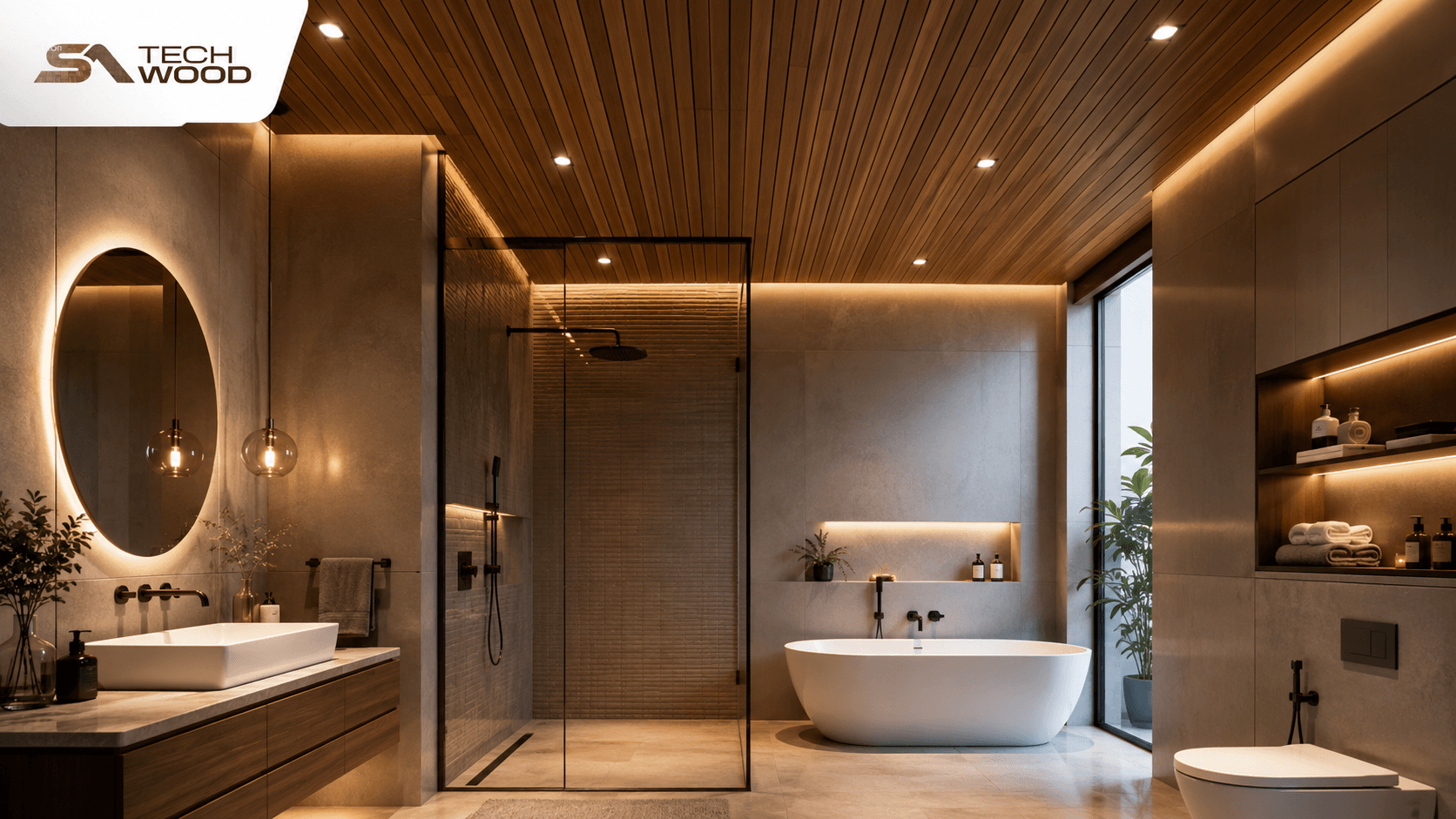
Ceilings play an important role in the comfort, appearance, and functionality of interior spaces. Bathroom ceiling cladding can be considered when a project requires a ceiling finish that complements the room while addressing practical considerations such as moisture, cleaning, appearance, and maintenance. Bathrooms are exposed to humidity and changing temperatures, so material selection deserves careful attention. The right ceiling solution can also contribute to a cohesive interior by coordinating with walls, flooring, fixtures, and lighting. Satechwood provides a context for considering ceiling finishes as part of a broader approach to practical and visually consistent interior design.
Choosing Bathroom Ceiling Finishes With Care
Bathroom ceilings require materials suited to the conditions in which they will be installed. Moisture, steam, ventilation, and cleaning requirements can all influence the suitability of a particular finish.
Before choosing a ceiling system, consider:
- Moisture exposure: Assess the typical humidity and ventilation within the room.
- Cleaning: Consider whether the surface can be maintained conveniently.
- Appearance: Compare colours, textures, profiles, and finishes.
- Installation: Ensure the system is compatible with the existing ceiling structure.
- Lighting: Consider how the surface will interact with natural and artificial light.
- Maintenance: Understand the expected care requirements over time.
A practical ceiling should work with the bathroom’s overall design rather than being treated as an isolated feature.
Exploring Composite Ceiling Options
composite ceiling cladding can provide a structured finish that contributes to the visual character of an interior. Depending on the selected profile and arrangement, ceiling panels can create a clean, consistent appearance or introduce texture and visual rhythm.
The layout can also influence how a room feels. Narrower profiles may create greater visual detail, while broader panels can produce a more streamlined appearance. Colour and surface finish can further influence whether the ceiling blends into the background or becomes a deliberate design element.
| Design factor | What to consider |
| Panel profile | Determines texture and visual rhythm |
| Colour | Coordinates with walls, flooring, and fixtures |
| Surface finish | Influences overall appearance and maintenance |
| Panel direction | Can affect the perceived proportions of a room |
| Lighting | Changes how textures and tones are perceived |
Selecting these elements together can create a more cohesive result.
Balancing Ceiling Design With Practical Needs
A ceiling should not be selected purely for its visual appeal. Its intended environment and long-term maintenance requirements are equally important. Bathrooms, kitchens, laundries, outdoor-covered areas, and living spaces can have substantially different conditions.
Ventilation is particularly relevant in rooms where moisture accumulates. A suitable ceiling design should work alongside the room’s ventilation strategy rather than attempting to compensate for inadequate airflow.
Installation details also deserve attention. Correct measurements, appropriate fixing methods, suitable spacing, and preparation can influence the finished appearance and long-term performance of a panel system.
The ceiling should also accommodate practical elements such as lighting fixtures, ventilation outlets, access points, and other services. Planning these features before installation can help avoid awkward interruptions to the finished design.
Creating Warmth With Interior Wood Ceiling Design
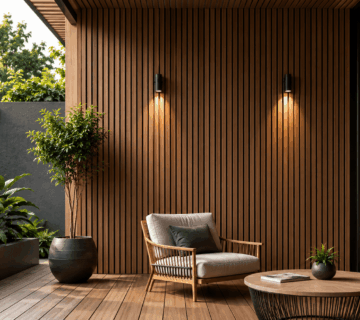
An interior wood cladding ceiling can introduce warmth and texture to spaces where a more natural visual character is desired. Wood-inspired surfaces can create an appealing contrast with smooth walls, glass, metal, stone, and other contemporary finishes.
Ceiling treatments can also help establish continuity between different areas. A consistent material or complementary finish across selected walls and ceilings may create a stronger sense of connection, while a contrasting ceiling can define a specific zone within an open-plan interior.
When planning a ceiling design, consider:
- The room’s overall architectural style
- Existing wall and flooring materials
- Natural and artificial lighting
- The visual scale of the space
- Cleaning and maintenance requirements
- The relationship between ceiling panels and fixtures
Texture can be particularly useful in larger rooms where a completely plain ceiling might feel visually empty. In smaller spaces, however, the profile and colour should be selected carefully so the ceiling does not make the room appear unnecessarily busy.
FAQs
1. Why does bathroom ceiling material matter?
Bathrooms experience humidity and steam, so ceiling materials should be selected according to environmental conditions, maintenance needs, and installation requirements.
2. Can ceiling panels influence room appearance?
Yes. Colour, profile, texture, direction, and lighting can all affect the visual character and perceived proportions of a room.
3. Are ceiling panels suitable for different interior spaces?
Suitability depends on the specific material and environment. Different areas have different requirements for moisture resistance, maintenance, and durability.
4. Should lighting be considered before ceiling installation?
Yes. Planning lighting and other fixtures beforehand can help create a cleaner, more coordinated finished surface.
5. How can a ceiling create a warmer interior?
Wood-inspired textures, complementary colours, and carefully selected panel profiles can introduce visual warmth and depth.
Conclusion
Ceiling design combines practical performance with visual character, making material selection an important part of interior planning. Factors such as moisture exposure, maintenance, installation, lighting, colour, and surrounding finishes should be considered together. Bathroom pvc ceiling cladding can be evaluated for projects where bathroom-specific requirements and a coordinated ceiling finish are priorities. Satechwood provides a context for considering ceiling solutions through a balanced approach to aesthetics, functionality, and long-term usability.

No comment