
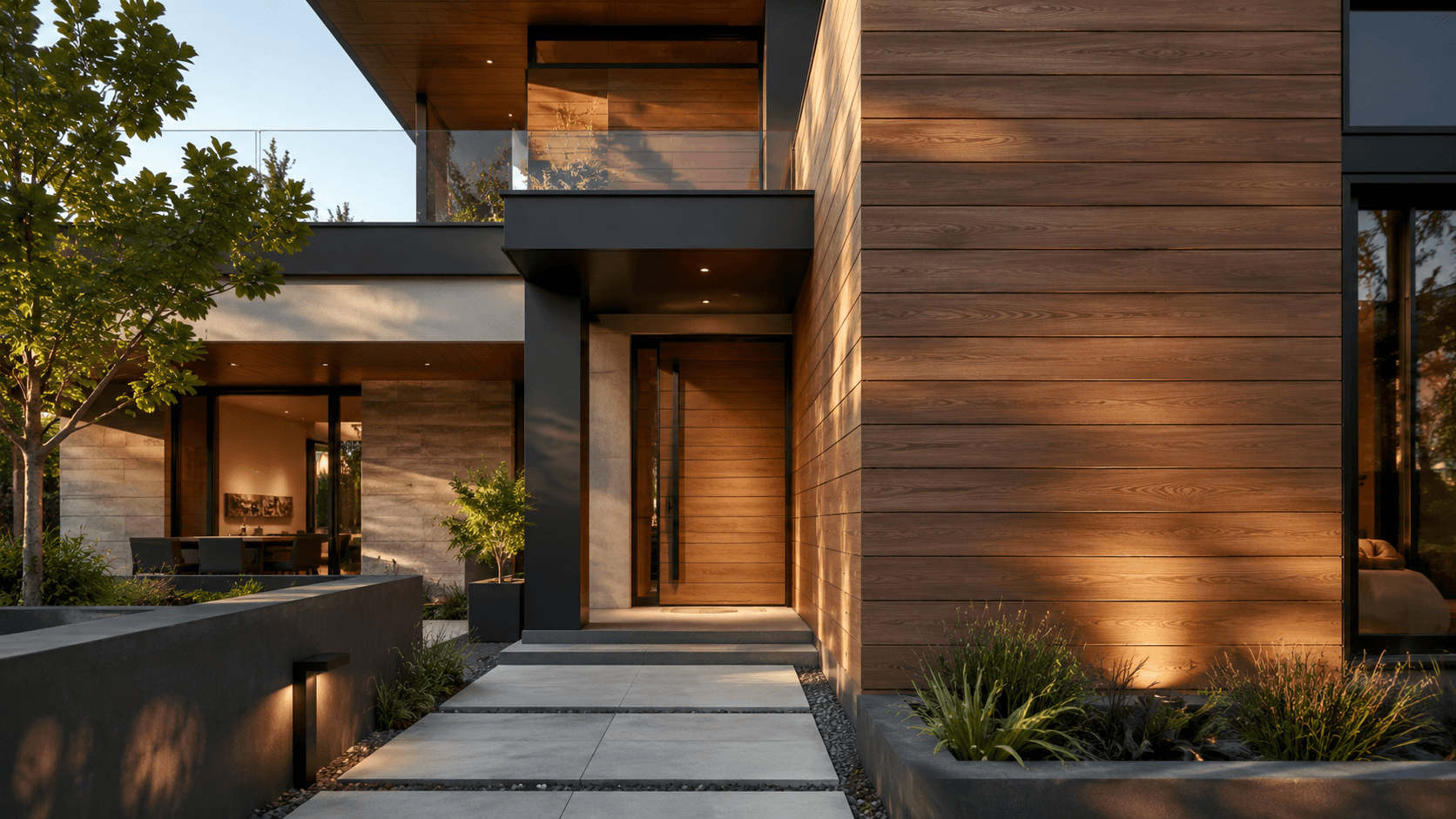
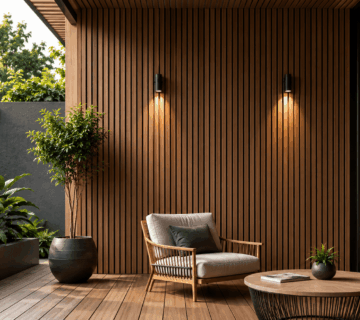
The exterior of a building plays a significant role in its appearance, durability, and overall value. Whether designing a new property or renovating an existing one, selecting the right cladding material is essential for achieving both aesthetic appeal and long-term performance. Composite timber cladding has become a preferred choice for architects, builders, and property owners because it combines the natural look of wood with the strength of engineered materials. It offers an attractive finish while requiring less maintenance than traditional timber, making it suitable for residential, commercial, and public projects. With proper installation and routine care, it can maintain its appearance and structural integrity for many years.
Why Modern Buildings Benefit from Composite Cladding
Contemporary construction focuses on materials that provide durability, design flexibility, and long service life. Composite cladding addresses these requirements while complementing a variety of architectural styles.
Key advantages include:
- Natural timber-inspired appearance
- Low maintenance requirements
- Resistance to weather exposure
- Consistent colour and finish
- Suitable for diverse applications
- Long-lasting performance
These qualities make composite cladding a practical solution for projects that require both visual appeal and dependable durability.
Key Advantages of Composite Wood Cladding
One of the greatest strengths of composite wood cladding is its ability to deliver the warmth of natural timber while minimizing the maintenance commonly associated with traditional wood products. Manufactured using advanced composite technology, it is designed to perform consistently in changing environmental conditions. Selecting quality materials and following recommended installation methods helps maximize these benefits throughout the life of the building.
Important Factors to Consider Before Installation
Successful cladding projects begin with careful planning. Evaluating the building’s design and environmental conditions helps determine the most suitable installation approach.
Consider the following factors:
- Building orientation
- Local climate conditions
- Ventilation requirements
- Structural support
- Panel profile selection
- Long-term maintenance expectations
Proper preparation also ensures secure fixing, accurate alignment, and sufficient airflow behind the cladding, all of which contribute to reliable long-term performance.
Applications of Composite Wall Cladding
Modern composite wall cladding is suitable for a wide range of residential and commercial projects because it combines durability with architectural versatility. It enhances exterior surfaces while providing additional protection against environmental exposure.
Common applications include:
- Residential homes
- Apartment developments
- Office buildings
- Educational facilities
- Hospitality properties
- Retail centres
- Public infrastructure
Available in various colours, textures, and finishes, composite cladding enables designers to create distinctive facades that complement different architectural styles while maintaining design consistency.
Maintaining Composite Cladding for Long-Term Performance
Although composite cladding requires less maintenance than traditional timber, regular care helps preserve both its appearance and functionality.
Recommended maintenance practices include:
- Washing surfaces with mild soap and water
- Removing accumulated dust and debris
- Inspecting fasteners periodically
- Checking ventilation gaps
- Avoiding abrasive cleaning products
- Addressing minor damage promptly
Routine inspections help identify small issues before they affect the cladding’s durability, allowing the exterior to remain attractive and functional throughout its service life.
Frequently Asked Questions
1. What makes composite cladding different from traditional timber?
Composite cladding combines engineered materials to provide improved durability, weather resistance, and lower maintenance while maintaining a timber-like appearance.
2. Is composite cladding suitable for commercial buildings?
Yes. It is widely used in residential, commercial, hospitality, educational, and public infrastructure projects because of its durability and design flexibility.
3. Does composite cladding require painting or staining?
Most composite cladding products require minimal finishing compared to traditional timber, reducing ongoing maintenance needs.
4. How long can composite cladding last?
Its lifespan depends on material quality, installation, and maintenance, but it is designed for reliable long-term exterior performance.
5. Can composite cladding be used for renovation projects?
Yes. It is commonly installed on existing buildings to improve exterior appearance while enhancing durability and reducing maintenance requirements.
Conclusion
Composite cladding offers an excellent combination of strength, visual appeal, and low maintenance for modern building exteriors. Careful planning, professional installation, and regular maintenance help ensure reliable performance while preserving the building’s architectural character. Choosing high-quality composite timber cladding Australia solutions supports long-term durability and attractive exterior finishes across a variety of projects. Satechwood recognizes the importance of dependable cladding materials that contribute to functional, stylish, and long-lasting building designs.

No comment