
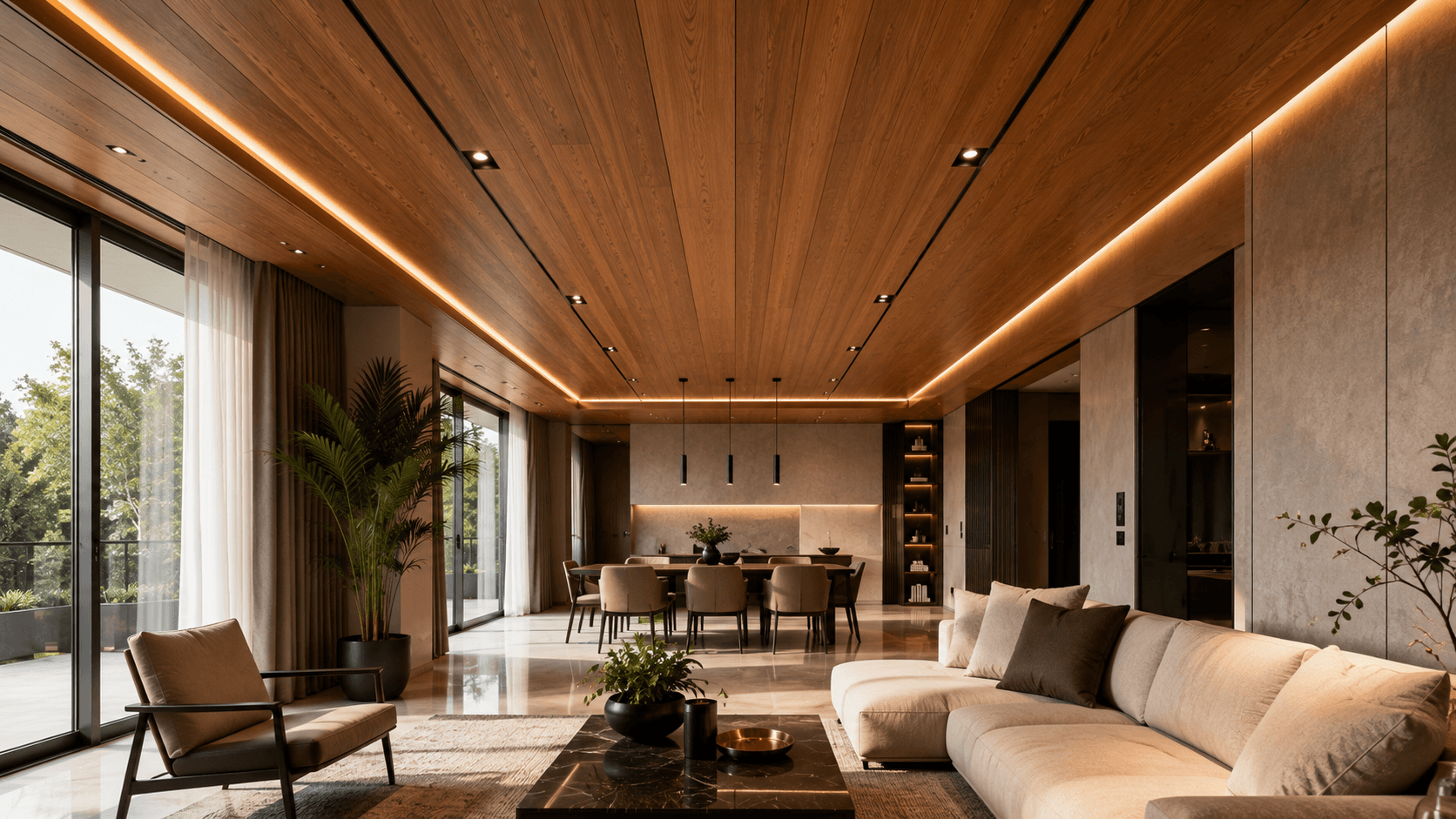
Ceilings play a significant role in defining the appearance, comfort, and functionality of any interior. Beyond covering structural elements, they contribute to insulation, acoustics, and the overall design of residential and commercial spaces. As modern architecture emphasizes durable and low-maintenance materials, composite ceiling cladding has become a practical solution for creating stylish interiors with long-lasting performance. It combines the visual warmth of timber with the strength of engineered materials, making it suitable for a wide range of applications. With proper installation and regular maintenance, it can enhance interior spaces while maintaining its appearance for years.
Why Ceiling Cladding Is Becoming More Popular
Interior designers and property owners increasingly choose composite ceiling materials because they balance aesthetics with functionality. They are available in different finishes and profiles, allowing them to complement both contemporary and traditional interiors.
Some key advantages include:
- Attractive wood-inspired appearance
- Low maintenance requirements
- Resistance to everyday wear
- Consistent surface finish
- Suitable for residential and commercial interiors
- Easy integration with lighting fixtures
These qualities make composite ceiling panels a practical option for improving interior environments without requiring extensive upkeep.
Factors to Consider Before Installation
Planning is essential before installing ceiling cladding to achieve reliable performance and an attractive finish. Understanding the requirements of the space helps determine the most appropriate material and installation method.
Important considerations include:
- Room size and ceiling height
- Ventilation requirements
- Moisture levels
- Lighting placement
- Structural support
- Long-term maintenance needs
Careful preparation also helps ensure proper panel alignment and secure installation, contributing to a polished final appearance.
Applications of Interior Wood Cladding Ceiling Designs
Modern interior wood cladding ceiling solutions are suitable for a wide variety of spaces because they combine visual appeal with practical performance. Their versatility allows designers to create distinctive interiors while maintaining consistency throughout different areas of a building.
Common applications include:
- Living rooms
- Bedrooms
- Office spaces
- Hotel lobbies
- Restaurants
- Retail outlets
- Educational facilities
Available in multiple colours, textures, and profiles, composite ceiling panels can complement a range of architectural styles while enhancing the overall atmosphere of the space.
Maintaining Ceiling Cladding for Lasting Performance
Although composite ceiling materials require relatively little maintenance, regular care helps preserve their appearance and functionality over time.
Recommended maintenance practices include:
- Cleaning surfaces with a soft cloth
- Removing dust regularly
- Using mild cleaning solutions when needed
- Inspecting joints and fittings periodically
- Avoiding abrasive cleaning materials
- Addressing minor damage promptly
Routine maintenance helps keep ceilings looking clean while supporting long-term durability in both residential and commercial environments.
Frequently Asked Questions
1. What are the advantages of composite ceiling cladding?
It provides durability, an attractive appearance, low maintenance requirements, and long-term performance for a variety of interior applications.
2. Is composite ceiling cladding suitable for humid areas?
Yes. Many composite ceiling materials are designed to perform well in environments where moisture resistance is important.
3. Can ceiling cladding be installed in commercial buildings?
Yes. It is widely used in offices, hotels, retail spaces, educational facilities, and other commercial environments.
4. Does ceiling cladding require frequent maintenance?
No. Regular dusting and occasional cleaning are generally sufficient to maintain its appearance and performance.
5. Can lighting fixtures be integrated with ceiling cladding?
Yes. Ceiling panels can be planned to accommodate various lighting installations during the design and installation process.
Conclusion
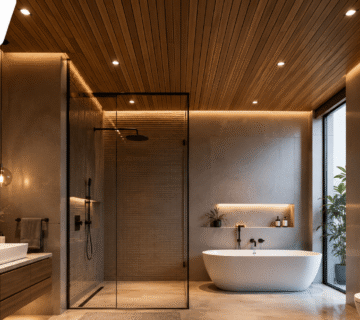
Composite ceiling solutions offer an effective combination of durability, visual appeal, and ease of maintenance for modern interiors. Careful planning, quality materials, and professional installation help ensure dependable performance while enhancing the overall appearance of a space. Choosing suitable cladding for ceiling in bathroom and other interior areas contributes to long-term functionality and design consistency. Satechwood recognizes the value of reliable ceiling cladding solutions that support attractive, practical, and durable interior environments.

No comment