
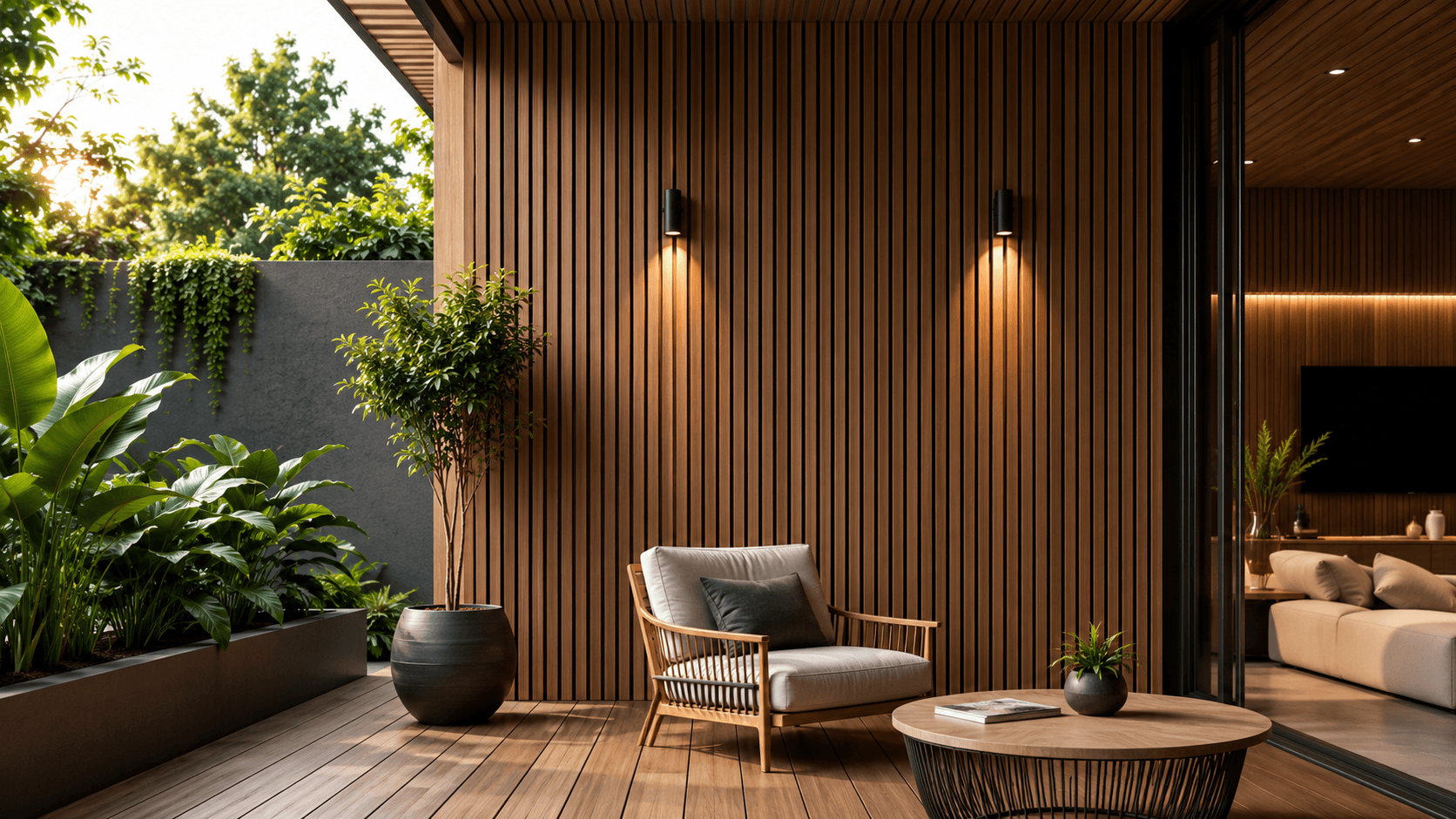
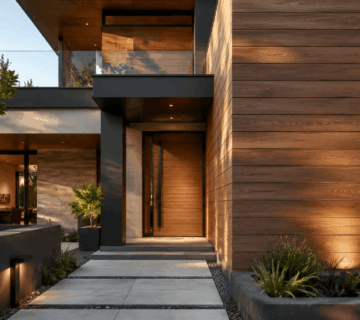
Interior and exterior design preferences continue to evolve as homeowners, architects, and commercial developers look for materials that combine appearance, durability, and practical maintenance. Modern spaces increasingly prioritize finishes that create warmth while supporting long-term performance. This shift has contributed to growing interest in composite timber cladding for residential and commercial applications where aesthetics and functionality need to work together.
Today’s design decisions are influenced by more than appearance alone. Material longevity, ease of maintenance, adaptability, and environmental considerations often play an equally important role when selecting finishes for modern interiors and architectural surfaces.
Key Reasons More Designers Are Choosing Modern Surface Cladding Solutions
Achieves Natural Appearance With Reduced Maintenance
One of the main reasons these materials continue gaining attention is their ability to deliver a warm, textured appearance while reducing ongoing upkeep.
Benefits commonly include:
- Consistent finish quality
- Reduced surface deterioration
- Easier maintenance routines
- Improved durability
- Long-term visual appeal
This combination makes the material suitable across different design environments.
Design Flexibility Supports Multiple Interior Styles
Modern interior spaces require materials that adapt to different aesthetics.
Applications may include:
- Feature panels
- Living spaces
- Hospitality environments
- Commercial interiors
- Decorative architectural zones
Its versatility allows designers to create both contemporary and timeless visual outcomes.
Durability Makes It Suitable for Everyday Use
Long-term performance has become increasingly important in modern construction.
Important considerations often include:
- Moisture resistance
- Surface stability
- Reduced fading
- Lower maintenance needs
- Consistent appearance over time
Durability can reduce future renovation frequency and support better lifecycle value.
Surface Texture Creates Visual Depth
Modern interior design increasingly focuses on creating layered visual experiences.
Design advantages may include:
- Added dimension
- Improved aesthetics
- Clean transitions
- Contemporary finish
- Architectural character
Texture often helps create stronger visual identity without excessive decorative elements.
Supports Sustainable Design Thinking
Many design projects now prioritize materials that contribute to more efficient long-term usage.
Selection factors may include:
- Longer replacement cycles
- Maintenance reduction
- Efficient material use
- Improved lifecycle performance
Thoughtful material choices increasingly support both practical and design goals.
Compare Interior and Exterior Applications Before Final Selection
Different areas may require different performance characteristics.
Design evaluation often includes:
- Exposure conditions
- Moisture levels
- Cleaning requirements
- Design continuity
- Installation approach
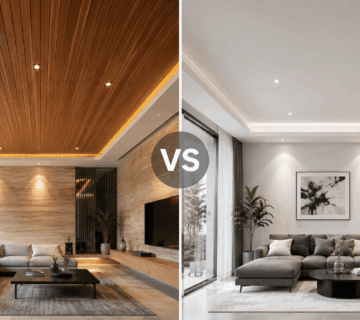
Projects comparing composite wood cladding frequently assess where appearance, performance, and maintenance expectations align most effectively.
Exterior Design Trends Continue Influencing Interior Spaces
Many current design ideas originate from architectural exterior concepts and later transition indoors.
For broader inspiration, explore the related article Exterior Design with Modern Composite Wall Cladding, which explains how modern surface applications influence contemporary architecture and create more cohesive design experiences across different spaces.
Installation Quality Influences Final Results
Even strong materials depend on proper installation for long-term performance.
Important considerations include:
- Surface preparation
- Ventilation planning
- Alignment consistency
- Expansion allowances
- Finishing details
Execution quality often has a direct impact on visual appearance and durability.
Modern Applications Extend Beyond Feature Areas
Current projects increasingly use these materials in wider applications than before.
Popular uses include:
- Entertainment spaces
- Commercial interiors
- Reception areas
- Accent surfaces
- Architectural detailing
Many homeowners and designers selecting composite wall cladding prioritize solutions that deliver visual continuity without increasing maintenance complexity.
Long-Term Value Often Matters More Than Initial Cost
Material selection decisions are becoming more lifecycle-focused.
Evaluation criteria commonly include:
- Durability
- Maintenance expectations
- Design longevity
- Installation quality
- Overall ownership value
This approach helps create spaces that remain attractive and functional over time.
Frequently Asked Questions
What makes modern surface cladding popular for interiors?
Many people value materials that combine durability, visual appeal, lower maintenance requirements, and design flexibility.
Is this material suitable for residential spaces?
Yes. It is commonly used in living spaces, feature areas, hospitality projects, and modern residential interiors.
Does installation quality affect performance?
Absolutely. Proper preparation and installation contribute significantly to appearance and long-term durability.
Can these materials work in commercial environments?
Yes. Commercial spaces often use them to create modern finishes while supporting lower maintenance.
How should homeowners evaluate material options?
Consider design goals, durability expectations, maintenance requirements, environmental conditions, and long-term value.
Conclusion
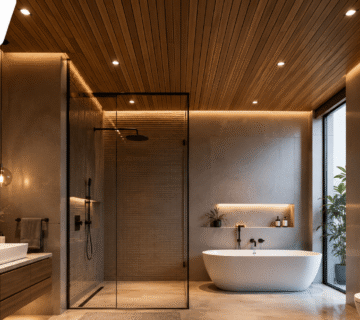
Material selection today goes far beyond appearance. Designers and homeowners increasingly prioritize finishes that combine durability, flexibility, and modern aesthetics without increasing maintenance demands. As interior preferences continue evolving, these solutions remain a strong choice for creating timeless and functional spaces. Similar evaluation principles also apply when considering finishes for areas such as bathroom ceiling cladding, where performance and appearance need equal attention.

No comment