
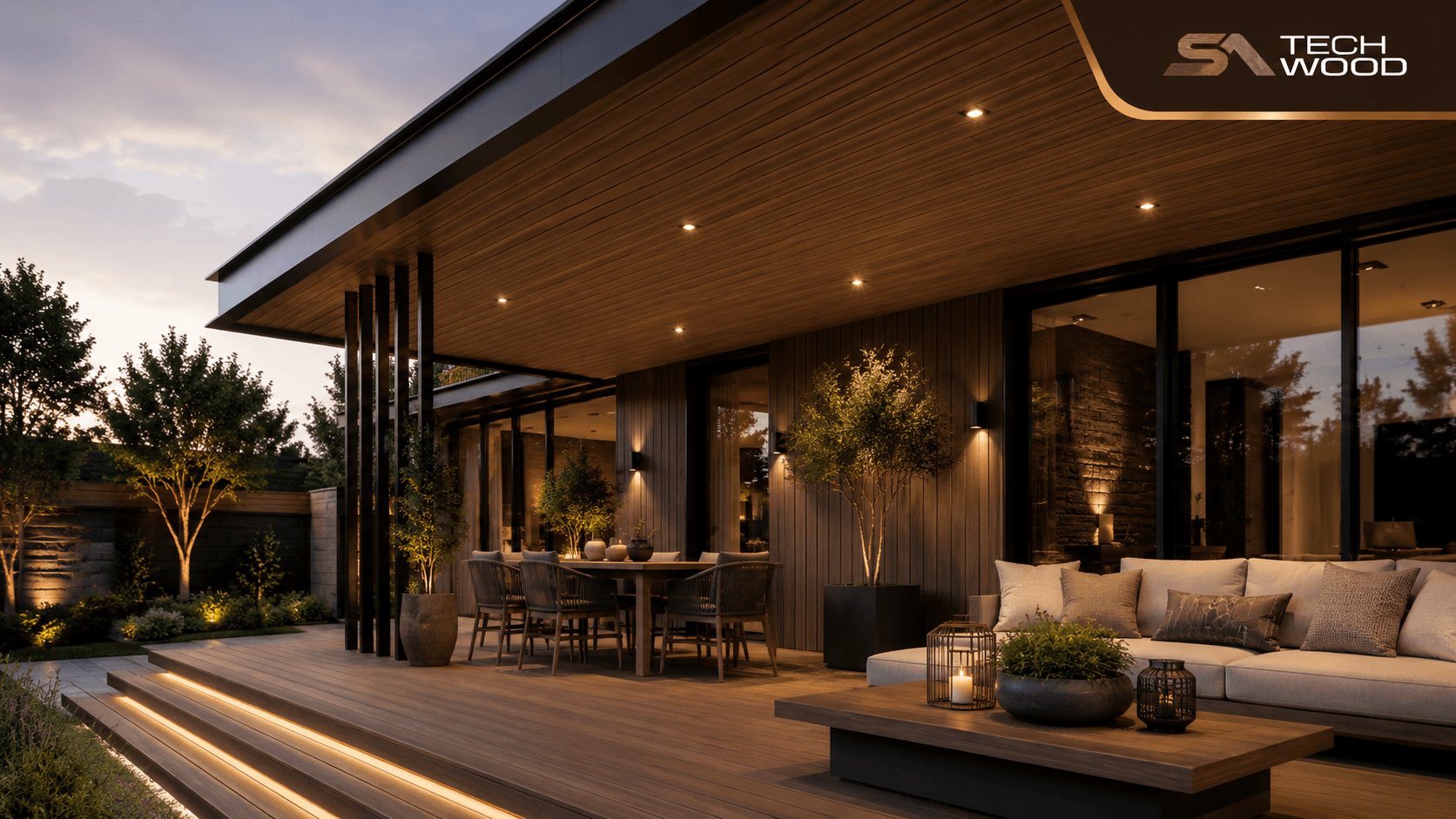
Outdoor architecture has evolved significantly in recent years as designers and property owners seek materials that combine aesthetics, durability, and sustainability. Among the innovations reshaping exterior spaces, composite decking has emerged as a preferred solution for creating functional and visually appealing outdoor environments. Its ability to replicate the appearance of natural timber while offering enhanced performance has contributed to its growing popularity. Modern architectural projects often incorporate complementary materials such as composite ceiling cladding to create cohesive indoor and outdoor designs. As a result, composite products are playing an increasingly important role in shaping contemporary architectural trends.
The Rise of Composite Materials in Design
Composite materials are engineered to provide the visual appeal of traditional wood while minimizing some of the maintenance challenges associated with natural timber. Their versatility has made them suitable for a wide range of residential, commercial, and recreational applications.
Key advantages of composite materials include:
- Resistance to weather exposure
- Reduced maintenance requirements
- Consistent appearance
- Long service life
- Design flexibility
These qualities have encouraged architects and designers to integrate composite solutions into modern construction projects.
Expanding Applications Beyond Outdoor Spaces
While composite decking is primarily associated with outdoor environments, similar materials are increasingly used in interior settings. Products such as bathroom ceiling cladding demonstrate how composite solutions can provide durability and visual consistency in areas exposed to moisture and humidity.
Benefits of using composite materials in diverse applications include:
- Improved moisture resistance
- Easy cleaning and maintenance
- Enhanced durability
- Consistent aesthetic appeal
- Versatile design options
This adaptability has expanded the role of composite products beyond decks and patios, making them valuable components of broader architectural strategies.
Enhancing Contemporary Architectural Aesthetics
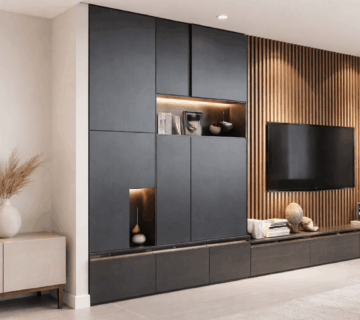
Visual appeal remains a central factor in architectural design. Composite materials offer a range of finishes, textures, and colors that support modern design concepts. The growing interest in interior wood cladding ceiling solutions reflects the desire to create seamless transitions between interior and exterior spaces.
Design benefits of composite materials include:
- Modern and refined appearances
- Consistent finishes
- Flexible design integration
- Compatibility with various architectural styles
- Enhanced visual continuity
By supporting both traditional and contemporary aesthetics, composite products provide designers with greater creative freedom.
The Future of Outdoor Architecture
As technology advances, composite materials are expected to become even more sophisticated. Manufacturers continue to improve product performance, appearance, and sustainability to meet evolving market demands.
Emerging trends include:
- Advanced material engineering
- Improved texture realism
- Greater sustainability initiatives
- Expanded color and finish options
- Enhanced structural performance
These developments suggest that composite decking and related products will remain influential in the future of architectural design, helping create outdoor environments that are both functional and visually appealing.
Frequently Asked Questions
1. What is composite decking?
Composite decking is a manufactured material designed to replicate the appearance of wood while offering enhanced durability and reduced maintenance requirements.
2. Why is composite decking popular in modern architecture?
Its combination of aesthetic appeal, longevity, and design flexibility makes it suitable for a wide range of architectural applications.
3. How does composite decking support sustainability?
Composite materials often promote efficient resource use and require less maintenance over time, contributing to long-term sustainability goals.
4. Can composite materials be used indoors?
Yes. Composite products are increasingly used in interior applications, including wall and ceiling treatments, due to their durability and versatility.
5. What trends are influencing the future of composite materials?
Advances in material technology, sustainability initiatives, realistic finishes, and expanded design options are shaping future developments.
Conclusion
Composite decking is transforming outdoor architecture by offering a practical balance of durability, visual appeal, and adaptability. Its growing use across residential and commercial projects demonstrates the increasing demand for materials that support modern design objectives while minimizing maintenance concerns. As innovation continues to improve performance and sustainability, composite solutions are expected to play an even larger role in architectural development. Companies such as Satechwood contribute to this evolving landscape by supporting advanced building material solutions that align with contemporary design needs. Whether used in exterior spaces or integrated into broader architectural concepts, composite timber cladding represents an important step forward in modern construction and design.

No comment