
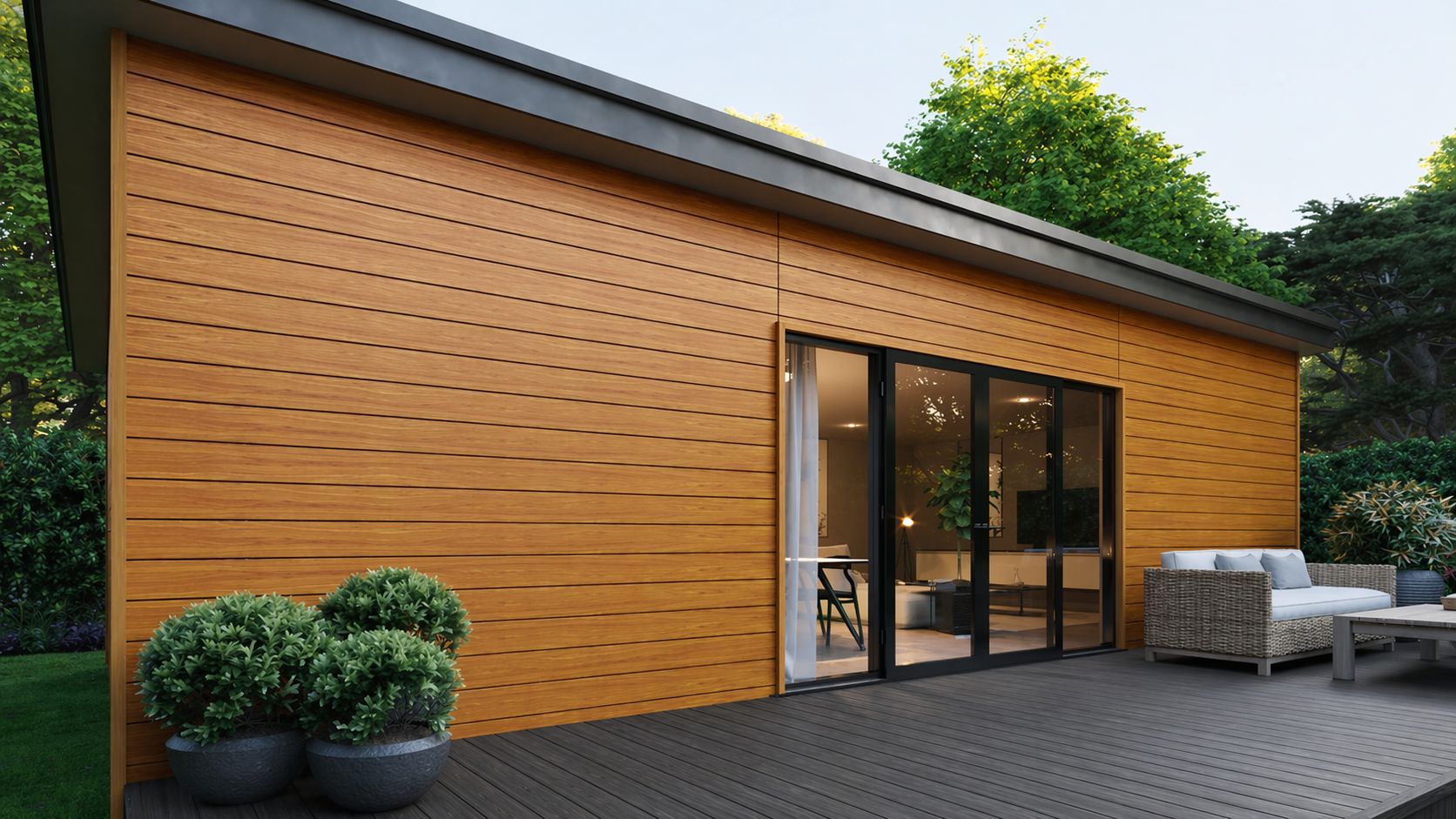
Exterior walls play a crucial role in defining the appearance, durability, and performance of any building. Whether it is a residential home or a commercial structure, the right cladding material protects the surface while improving visual appeal. Traditional materials such as timber and paint require regular maintenance and may deteriorate over time. This is why composite wall cladding has become a popular choice for modern construction and renovation projects.
It offers the natural look of wood combined with engineered strength, making it suitable for both interior and exterior applications.
What Is Composite Cladding
Composite cladding is manufactured using a blend of recycled wood fibres and high performance polymers. This combination produces boards that replicate timber textures while providing enhanced resistance to moisture, insects, and weather conditions. Unlike traditional timber, composite cladding maintains its shape and colour even in demanding environments.
Because of its durability, it is widely used in residential and commercial spaces where long term performance is essential.
Key features include:
-
- Resistance to moisture and humidity
- Protection against termites and insects
- Minimal maintenance requirements
- Long lasting colour stability
- Modern and uniform finish
These characteristics make composite cladding a reliable alternative to natural wood.
Ideal for Modern Architectural Designs
Architects and designers increasingly prefer composite timber cladding for creating contemporary façades and feature walls. It offers the warmth of timber without the drawbacks associated with natural materials. The panels are available in various textures and colours, allowing flexibility in design.
Common applications include:
-
- Exterior building façades
- Balcony and terrace walls
- Garden feature structures
- Commercial building exteriors
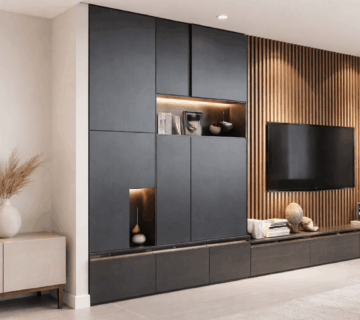
- Interior accent walls
This versatility allows it to complement both modern and traditional architectural styles.
Composite Cladding vs Traditional Timber
When choosing cladding materials, understanding the difference between composite and timber helps in making an informed decision.
| Feature | Composite Cladding | Traditional Timber |
| Maintenance | Occasional cleaning | Regular painting and sealing |
| Durability | Resistant to rot and insects | Vulnerable to moisture and pests |
| Lifespan | Long lasting performance | Requires periodic repairs |
| Appearance | Consistent finish | Can fade or crack |
Composite materials reduce the need for ongoing maintenance while preserving the aesthetic appeal of wood.
Benefits of Composite Cladding
Using composite wood cladding offers several practical and aesthetic advantages. These benefits make it a preferred option for both homeowners and builders.
Major advantages include:
-
- Low maintenance compared to natural timber
- Resistance to warping and cracking
- Weather resistant structure
- Environmentally responsible materials
- Smooth and uniform appearance
These features help maintain a clean and modern look for years without frequent repairs or treatments.
Suitable for Australian Conditions
Buildings in Australia are exposed to intense sunlight, temperature fluctuations, and diverse weather conditions throughout the year. Choosing a durable exterior solution is essential for long-term performance. This is where composite wall cladding Australia systems offer a reliable and practical advantage.
Engineered with advanced protective layers, composite cladding resists UV exposure, moisture penetration, and everyday wear. These features help maintain colour, stability, and structural integrity over time. As a result, composite cladding is well suited for coastal, urban, and suburban applications across Australia.
Design Flexibility and Installation
Composite cladding panels are designed for easy installation and design flexibility. They can be installed horizontally or vertically depending on the architectural preference. Hidden fastening systems create a seamless finish, enhancing the overall appearance of the structure.
Design possibilities include:
-
- Horizontal modern façades
- Vertical feature walls
- Mixed material exteriors
- Interior decorative panels
- Outdoor landscape walls
This flexibility allows designers to create unique and visually appealing spaces.
Frequently Asked Questions
Is composite wall cladding suitable for outdoor use?
Yes, it is specifically designed for exterior applications. It resists moisture, UV exposure, and temperature changes, making it suitable for outdoor environments.
Does composite cladding require painting or sealing?
No, it comes pre finished and does not require painting, staining, or sealing. Occasional cleaning is usually enough to maintain its appearance.
Can composite cladding be used indoors?
Yes, it can be used for interior feature walls, ceilings, and decorative panels. It adds warmth and texture to indoor spaces.
Is composite cladding environmentally friendly?
Many products are made using recycled materials, reducing the demand for natural timber and supporting sustainable construction practices.
How long does composite cladding last?
With proper installation and basic maintenance, it can maintain its appearance and structural integrity for many years.
Conclusion
Modern cladding solutions are designed to provide durability, visual appeal, and low maintenance. Composite materials offer the natural beauty of timber while delivering improved resistance to weather and wear. They are suitable for a wide range of residential and commercial applications, making them a practical choice for contemporary architecture.SA TechWood provides innovative cladding solutions designed to enhance building exteriors and interiors while ensuring long lasting performance and modern aesthetics.

No comment