
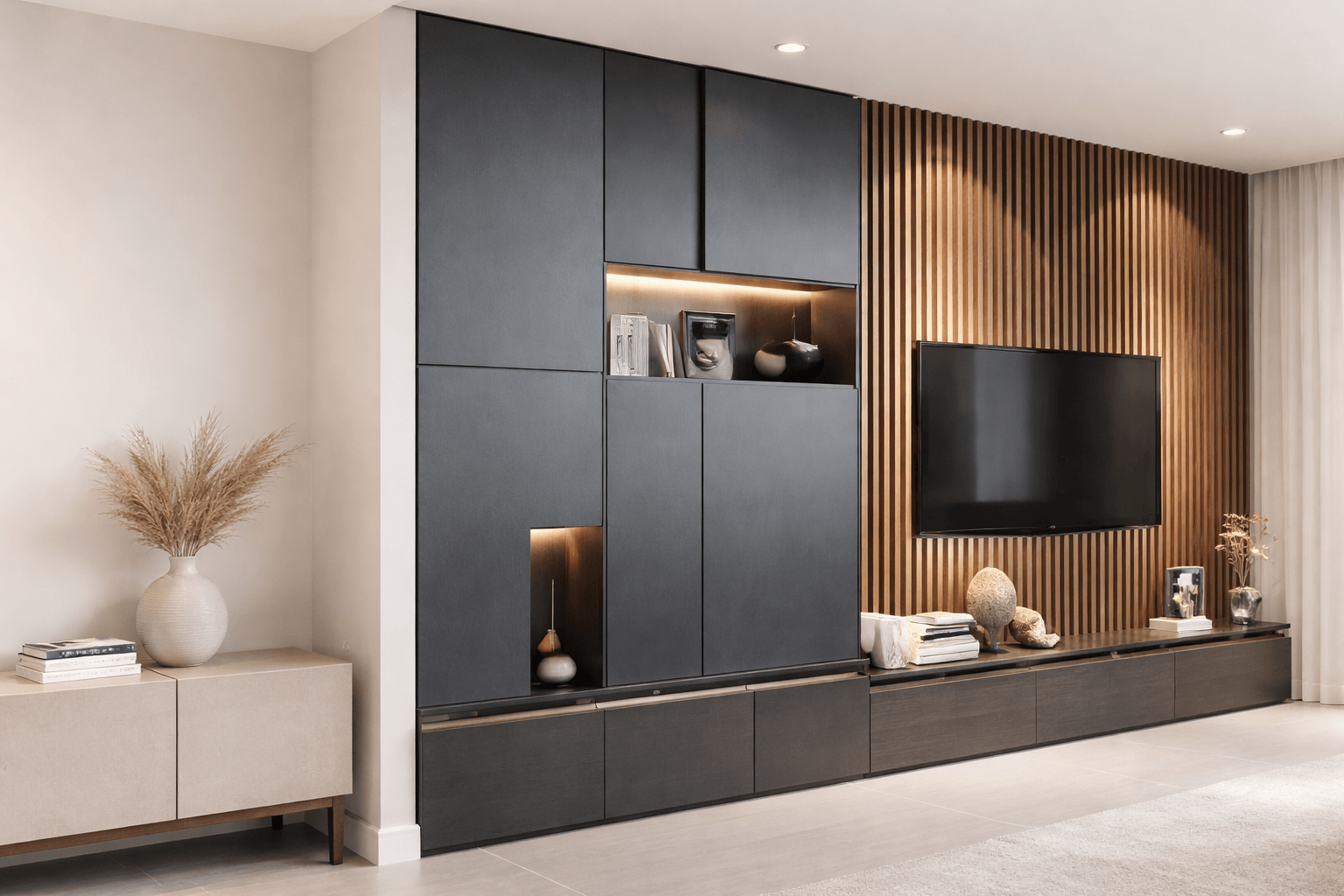
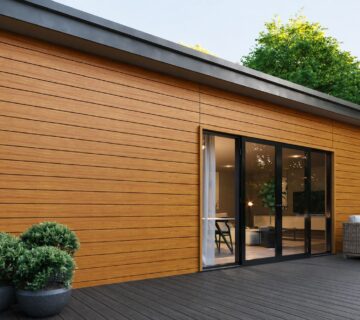
Exterior walls define the character, durability, and long term performance of any building. As architectural styles evolve, modern construction materials are increasingly replacing traditional solutions. One such innovation is composite wall cladding, a material that blends aesthetic appeal with durability and low maintenance. Designed to perform in harsh environments while maintaining a natural wood appearance, composite cladding has become a preferred choice for residential and commercial projects.
What Is Composite Cladding?
It is typically manufactured using a blend of recycled wood fibres and plastic materials. This engineered composition creates boards that resemble natural timber while offering superior resistance to moisture, insects, and weather damage.
Unlike conventional timber cladding that may require frequent painting or sealing, composite boards are pre finished and designed to maintain their appearance for many years. Many products are also resistant to fading, cracking, and termite damage, making them suitable for exterior walls exposed to harsh environmental conditions.
This combination of natural aesthetics and engineered strength makes composite cladding a reliable option for modern building designs.
Advantages of Composite Cladding for Exterior Walls
Homeowners, architects, and builders are increasingly choosing composite timber cladding because it offers several practical and aesthetic advantages.
Key benefits include:
- Resistance to termites, insects, and pests
- Protection against moisture, rot, and weather damage
- Minimal maintenance compared to traditional timber
- Long lasting colour and texture stability
- Environmentally responsible manufacturing using recycled materials
Composite cladding boards are designed to perform well in varying climates. Their structure prevents swelling or warping caused by humidity or rain, making them ideal for exterior wall protection.
Composite Cladding vs Traditional Timber
Understanding the difference between composite and traditional cladding helps property owners choose the right material for their projects.
| Feature | Composite Cladding | Traditional Timber Cladding |
| Maintenance | Occasional cleaning | Regular painting and sealing |
| Durability | Resistant to rot and pests | Susceptible to termites and moisture |
| Lifespan | Long lasting structural integrity | Requires periodic repairs |
| Appearance | Consistent colour and finish | May fade or crack over time |
Traditional timber often requires sanding, staining, or repainting to maintain its appearance. Composite materials eliminate most of these requirements while preserving a natural wood like finish.
Design Flexibility and Visual Appeal
One of the major advantages of composite wood cladding is the design flexibility it provides. Modern manufacturing techniques allow cladding panels to replicate the texture and grain patterns of natural timber while offering a variety of colours and finishes.
Popular design applications include:
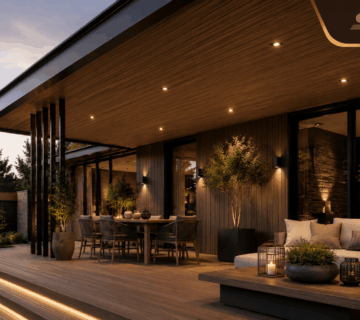
- Exterior house façades
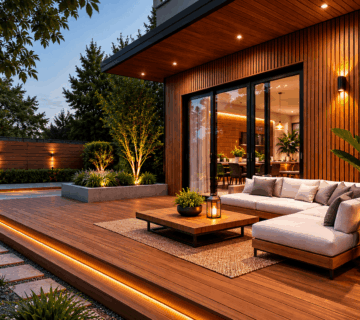
- Balcony and terrace feature walls
- Garden and landscape structures
- Commercial building exteriors
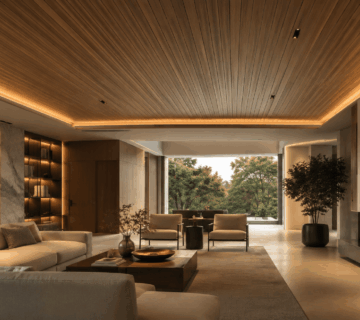
- Interior decorative walls
Cladding panels can also be installed horizontally or vertically depending on the architectural style of the building. Hidden fastening systems further enhance the final appearance by creating a seamless and clean exterior finish.
Sustainability and Environmental Benefits
Sustainable construction materials are becoming increasingly important in modern building projects. Composite cladding contributes to environmentally responsible construction by incorporating recycled materials such as reclaimed wood fibres and plastics.
Environmental advantages include:
- Reduced reliance on natural timber resources
- Lower construction waste
- Longer product lifespan
- Reduced need for chemical treatments and paints
Additionally, composite cladding provides insulation benefits that help regulate indoor temperatures, contributing to improved energy efficiency in buildings.
Why Composite Cladding Works Well in Australian Conditions
Australia’s diverse climate presents unique challenges for building materials. From intense UV exposure to coastal moisture and temperature fluctuations, exterior surfaces must withstand demanding environmental conditions.
This is where composite wall cladding Australia stands out. Engineered boards include UV stabilisers and moisture resistant components that prevent fading, cracking, and warping.
Builders often prefer composite cladding for properties in coastal, urban, and bushfire prone areas because of its durability and structural reliability.
Conclusion
Exterior cladding plays a crucial role in protecting buildings while enhancing architectural design. Composite cladding offers a modern solution that combines the beauty of natural timber with the strength of engineered materials. With its durability, minimal maintenance requirements, and environmentally responsible production, composite cladding is becoming a preferred choice for contemporary construction projects.
For property owners and builders looking for high quality cladding solutions, SA TechWood provides innovative composite products designed to enhance both residential and commercial spaces while ensuring long term performance.

No comment