
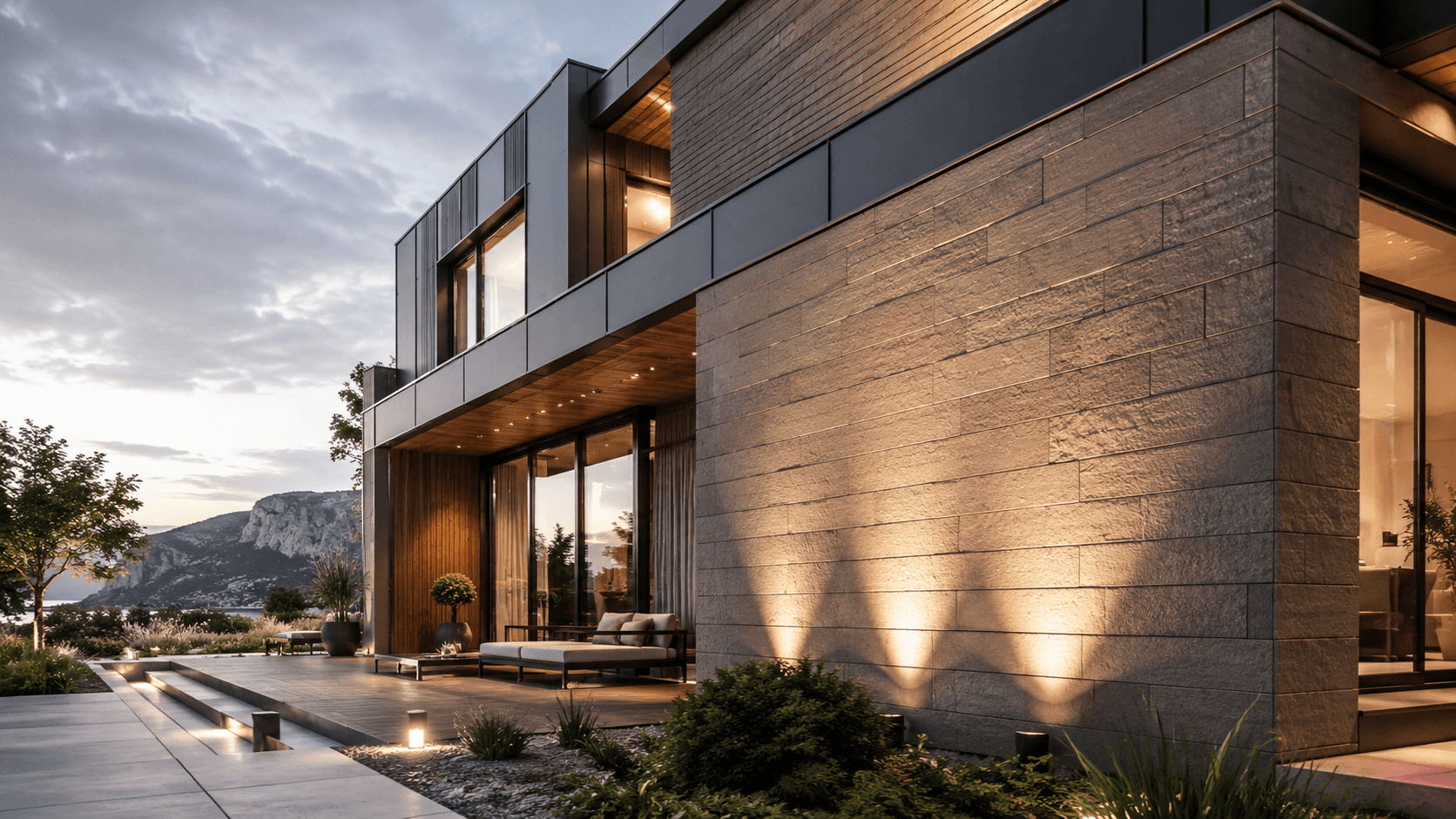
Exterior wall cladding has become an essential element in modern architecture because it combines structural protection with visual appeal. Contemporary buildings require materials that can withstand changing weather conditions while maintaining long term durability and aesthetic value. As construction trends continue to evolve, architects and homeowners increasingly prefer advanced cladding solutions that support sustainability, low maintenance, and modern design standards. The rising interest in best composite decking Australia products also reflects a broader demand for durable exterior materials capable of enhancing both residential and commercial properties.
Why Exterior Cladding Matters in Modern Construction
Exterior cladding plays a major role in protecting buildings from environmental exposure while improving architectural appearance. Modern cladding systems are designed to enhance insulation, moisture resistance, and structural longevity.
Important benefits of exterior wall cladding include:
- Improved weather resistance
- Enhanced thermal efficiency
- Reduced maintenance requirements
- Better visual aesthetics
- Increased structural protection
Modern materials are also engineered to maintain their appearance over extended periods, making them suitable for both residential and commercial applications.
As architectural styles continue shifting toward clean and contemporary finishes, cladding systems have become central to modern exterior design strategies.
The Growing Demand for Composite Materials
The popularity of composite timber decking highlights the increasing demand for materials that combine natural aesthetics with long term durability. Composite technologies are now widely used in cladding applications because they offer reliable performance under varying environmental conditions.
The following table highlights key advantages of modern cladding materials:
| Cladding Feature | Functional Benefit |
| Moisture resistance | Reduced weather related damage |
| UV protection | Better color retention |
| Low maintenance surfaces | Reduced upkeep requirements |
| Durable composite construction | Long term structural performance |
| Contemporary finishes | Enhanced architectural appeal |
Composite based materials also support design flexibility by offering multiple textures, finishes, and installation styles suitable for modern architecture.
Their ability to resist fading, cracking, and warping contributes significantly to long term building performance.
Sustainability and Long Term Performance
Sustainability has become an important consideration in modern construction planning. Durable exterior materials help reduce maintenance frequency, replacement costs, and long term environmental impact.
Key qualities influencing modern cladding choices include:
- Energy efficient performance
- Long lasting material durability
- Resistance to environmental damage
- Reduced maintenance demands
- Adaptability to modern designs
Architects and builders increasingly prioritize materials that support efficient construction practices while maintaining strong visual appeal.
Durable cladding systems also contribute to improved building lifespan and lower long term operational costs, making them attractive for modern development projects.
As sustainable construction practices continue to evolve, innovative composite materials are expected to play an increasingly important role in exterior architecture.
Outdoor Design Integration and Architectural Trends
Modern buildings increasingly emphasize seamless integration between outdoor surfaces and architectural facades. The growing demand for outdoor composite decking demonstrates how exterior materials are now selected to create cohesive and visually balanced environments.
Current architectural trends influencing cladding design include:
- Minimalist exterior aesthetics
- Natural textured finishes
- Multi functional outdoor spaces
- Coordinated material palettes
- Weather resistant structural elements
Exterior wall cladding is now commonly designed to complement outdoor decking, landscaping, and facade details to create unified architectural appearances.
This integrated design approach improves both functionality and visual continuity across residential and commercial properties.
As outdoor living and exterior presentation become more important in modern architecture, durable cladding systems continue gaining relevance in contemporary construction projects.
Future Innovations in Exterior Cladding
Technological advancements are shaping the future of cladding materials by improving durability, efficiency, and design flexibility. Manufacturers continue developing innovative solutions capable of meeting modern architectural and environmental expectations.
Emerging trends in exterior cladding include:
- Advanced composite technologies
- Improved UV resistant finishes
- Lightweight installation systems
- Eco friendly manufacturing processes
- Smart moisture resistant materials
Future cladding systems are expected to offer even greater durability while supporting sustainable construction goals and modern design preferences.
As urban development and architectural innovation continue expanding, durable exterior materials will remain essential components of contemporary building design.
FAQs
Why is exterior wall cladding important?
It protects buildings from environmental exposure while improving appearance and structural durability.
What are the advantages of composite cladding materials?
They offer durability, low maintenance, moisture resistance, and modern visual appeal.
How does cladding improve building performance?
It enhances weather protection, insulation efficiency, and long term structural stability.
Why are composite materials becoming popular in modern construction?
They combine aesthetic flexibility with reliable long term performance and reduced maintenance.
What trends are influencing future cladding systems?
Sustainability, advanced composite technologies, and modern architectural integration are major trends.
Conclusion
Durable exterior wall cladding solutions continue to shape the future of modern architecture by combining structural performance, sustainability, and contemporary aesthetics. As property owners increasingly seek low maintenance and weather resistant materials, advanced composite technologies are becoming central to modern construction practices. The growing demand to buy composite decking products also reflects the broader preference for durable and visually appealing exterior solutions. Companies like Satechwood contribute to this evolving architectural landscape by supporting innovative materials designed for long term exterior performance and modern design requirements.

No comment